
Translation Solutions for Inclusive Aged Care
The Listening Link is a small, practical pilot that tests real time artificial intelligence translation technologies during everyday, low risk care interactions. The aim is to improve communication between staff and Culturally and Linguistically Diverse (CALD) residents, particularly those living with dementia related language regression, stroke related communication changes or cognitive impairment. The project is supported through the Aged Care Research and Industry Innovation Australia Project Support Program.
Context and Rationale

More than one quarter of Australia's population, or over seven million people, were born overseas (Australian Bureau of Statistics, 2022). This cultural and linguistic diversity is reflected in aged care, where many residents speak languages other than English. As such, care planning and delivery must respond to this reality (Cabote et al., 2023). However, many aged care services continue to reflect white, English-speaking norms, which marginalise residents who speak other languages and contribute to the embedding of racism, ageism and ethnocentrism in service design. These dynamics intensify cross-cultural communication challenges across the sector (Black, 2009).
The Royal Commission into Aged Care Quality and Safety (2021) prompted reforms to restore dignity, safety and inclusion, but a critical gap persists. Many culturally and linguistically diverse (CALD) residents with dementia or cognitive decline will lose their ability to communicate in English and revert to their mother tongue (Yuan et al., 2024). While dementia is a common cause, this proposal recognises that language loss can result from a range of cognitive health conditions including stroke and age-related decline. Without systemic first-language support, these residents are excluded from care planning, social connection and self-expression, leading to distress, isolation and poorer health outcomes (National Ageing Research Institute, 2019).
These harms violate national and international human-rights commitments and erode the inclusive, person-centred approach set out in the Charter of Aged Care Rights (2019) and the newly revised Aged Care Quality Standards (2025). Both instruments oblige providers to safeguard identity, autonomy and wellbeing, and to deliver care that is responsive and accountable (Aged Care Quality and Safety Commission, 2024).
Communication equity is fundamental to fulfilling these obligations. The Aged Care Act (2024) strengthens the duty by stipulating that, from July 2025, every older person has the right to be understood, informed and supported in a culturally safe manner (Department of Health and Aged Care, 2024). Unless decisive action removes language barriers, CALD residents with cognitive decline will continue to be structurally excluded from the very systems intended to protect and serve them.
The Practice Gap in Everyday Care

Following the Royal Commission into Aged Care Quality and Safety, there has been renewed focus on dignity, safety, and inclusion in aged care. However, a significant gap remains for many residents from Culturally and Linguistically Diverse (CALD) backgrounds.
When dementia, stroke, or cognitive decline affects a person’s ability to communicate in English, everyday care can become challenging. Staff may struggle to understand pain, preferences, or emotional needs, leading to distress, misunderstandings, and avoidable escalation during routine interactions. Over time, these communication barriers can contribute to social isolation, reduced wellbeing, and loss of dignity for residents, as well as increased stress for staff.
The Listening Link responds to this gap by focusing on everyday communication, supporting staff to understand residents in the moments interpreters cannot always cover, such as during meals, personal care, or moments of confusion. The aim is to strengthen communication equity in a way that is practical, ethical, and aligned with person centred care.
Being Understood Is Part of Care
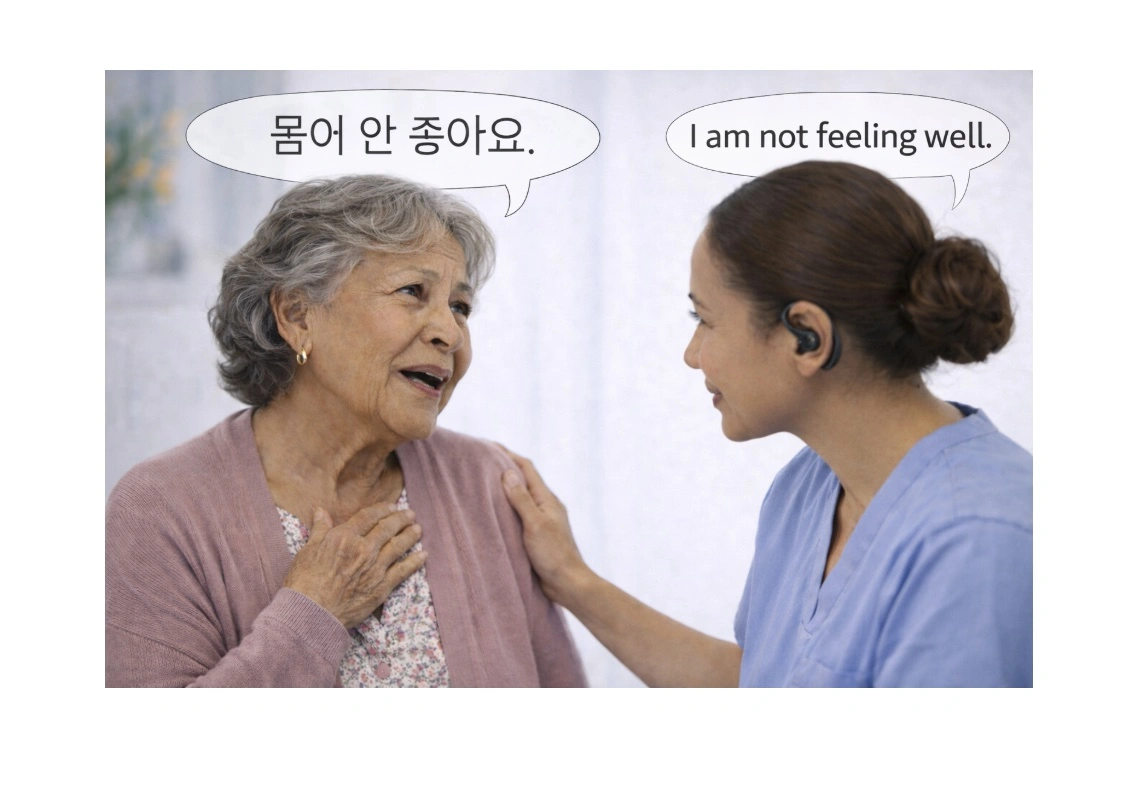
Residents from CALD backgrounds are at higher risk of social isolation in residential aged care, particularly when limited English proficiency intersects with cognitive decline (Aged Care Research and Industry Innovation Australia, 2023; Cabote et al., 2023). When communication is not understood, residents may withdraw, distress escalates, and health outcomes deteriorate (Yuan et al., 2024).
Research indicates that commonly used strategies such as cue cards, basic translation applications, and visual aids often fail to meet the relational and emotional needs of residents with cognitive impairment. Interpreter access remains inconsistent, especially in rural and regional settings, leaving staff without adequate support during routine care interactions (Yuan et al., 2024).
These challenges reflect broader structural issues within aged care, where reduced communication is sometimes misinterpreted as incapacity rather than exclusion. Engel’s biopsychosocial model emphasises that effective care must address psychological, social, cultural, and physical dimensions, as neglecting any element undermines wellbeing and autonomy (Adler, 2009).
Language equity is increasingly recognised as central to culturally safe, rights based care. National and international bodies have identified communication access as fundamental to dignity, autonomy, and wellbeing in older age (World Health Organization, 2021; National Ageing Research Institute, 2023). The Aged Care Act 2024 strengthens this obligation by legislating the right of older people to be heard, understood, and supported in culturally appropriate ways.
Communication Equity: A National Shortfall
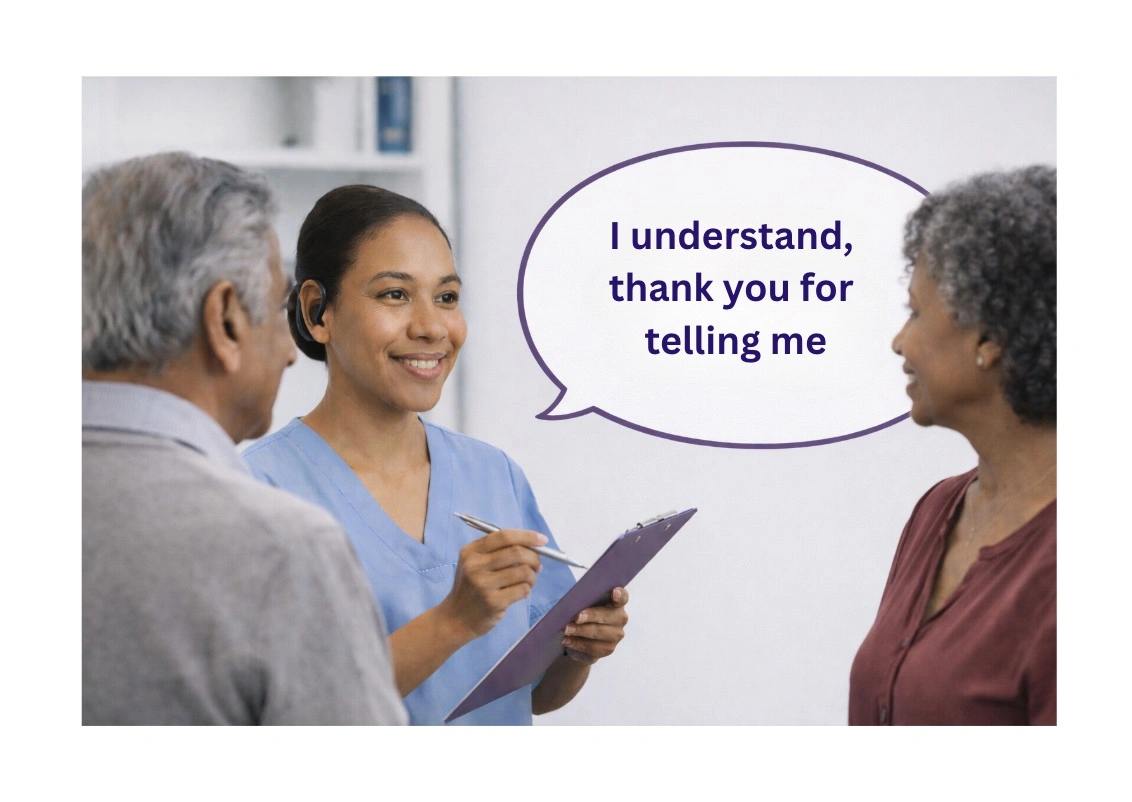
Since 2019, the National Ageing Research Institute has identified language equity as a priority area for reform within the aged care sector. Despite this recognition, many services continue to face constraints in resourcing, workforce training, and access to effective communication supports for residents experiencing dementia related language regression.
Aged care staff are increasingly required to deliver person centred care in linguistically complex environments without consistent access to tools or specialist support. While recent reforms have acknowledged the needs of Culturally and Linguistically Diverse older Australians, evidence suggests these needs are not being met in a systematic or sustained way.
The Federation of Ethnic Communities Councils of Australia has repeatedly emphasised the importance of language support, culturally informed assessment, and routine monitoring of diversity standards to uphold the dignity and rights of CALD older people. Without practical mechanisms to support communication in everyday care, language inequity remains a persistent and under addressed gap within the system.
The Limits of Formal Communication Supports

The expansion of the Translating and Interpreting Service into aged care in 2024 represents a positive policy development. TIS National provides access to professional interpreters across multiple formats and offers translated materials and Easy Read resources to support formal communication.
However, TIS National is primarily designed for planned interactions such as assessments, care planning, and clinical decision making. It is not well suited to the spontaneous, relational, and moment to moment communication that shapes daily life in residential care settings. Reliance on advance bookings, digital request processes, and centralised service models can also limit responsiveness, particularly in rural and remote locations.
For residents living with dementia or cognitive decline, delays or gaps in communication support can contribute to unmet needs, increased distress, and behavioural escalation. When language access is confined to formal interactions, residents may experience long periods of disconnection from meaningful social engagement and relational care. These limitations highlight a structural gap between policy intent and lived experience within aged care environments.
Communication Access as Cultural Safety

From an anti oppressive practice perspective, barriers to language access are not simply operational challenges. They reflect broader structural conditions that shape whose communication needs are prioritised within care systems. When language support is treated as an optional or specialised service rather than a core component of care, residents who lose English proficiency are placed at greater risk of exclusion.
For individuals with declining cognitive capacity, repeated miscommunication can weaken continuity of identity, limit participation in everyday decisions, and erode a sense of personhood. The inability to express cultural meaning, sustain relationships, or engage in ordinary social interaction has impacts that extend beyond practical care needs.
Cultural safety is not an enhancement to quality care but a foundational requirement. Positioning communication access as a core element of practice supports more inclusive, relational, and rights based models of aged care. Strengthening everyday communication capacity within services is therefore central to reducing structural inequities and supporting dignity in later life.
AI in Aged Care: Ethics, Governance and Risk

The use of artificial intelligence in aged care is developing quickly, yet ethical and practice guidance for the workforce is still emerging. This creates practical challenges when AI tools are introduced to support communication with Culturally and Linguistically Diverse residents experiencing dementia, stroke, or other forms of cognitive decline. Evidence suggests that translation technologies can assist communication when interpreters are not available, including supporting pain recognition, daily routines, and rapport building, although usability and reliability limitations remain (Hwang et al., 2021). These tools are most effective when implemented within a broader, rights based approach to communication.
Where sector wide guidance is limited or inconsistent, aged care services may face avoidable risks related to workforce capability, role clarity and accountability, data handling, privacy, and bias (Dali & Caidi, 2023). Clear governance frameworks help staff recognise and respond to potential harms, including reduced person centred interaction, uneven performance across languages and accents, and inappropriate access to sensitive information.
When implemented with appropriate safeguards, AI enabled translation tools can strengthen communication, reduce distress, and support culturally responsive care. Technology should complement human relationships rather than replace them. Ethical implementation requires workforce training, transparent consent processes, clear privacy protections, and ongoing monitoring for bias, errors, and unintended impacts (Reamer, 2023).
AI Translation Technology
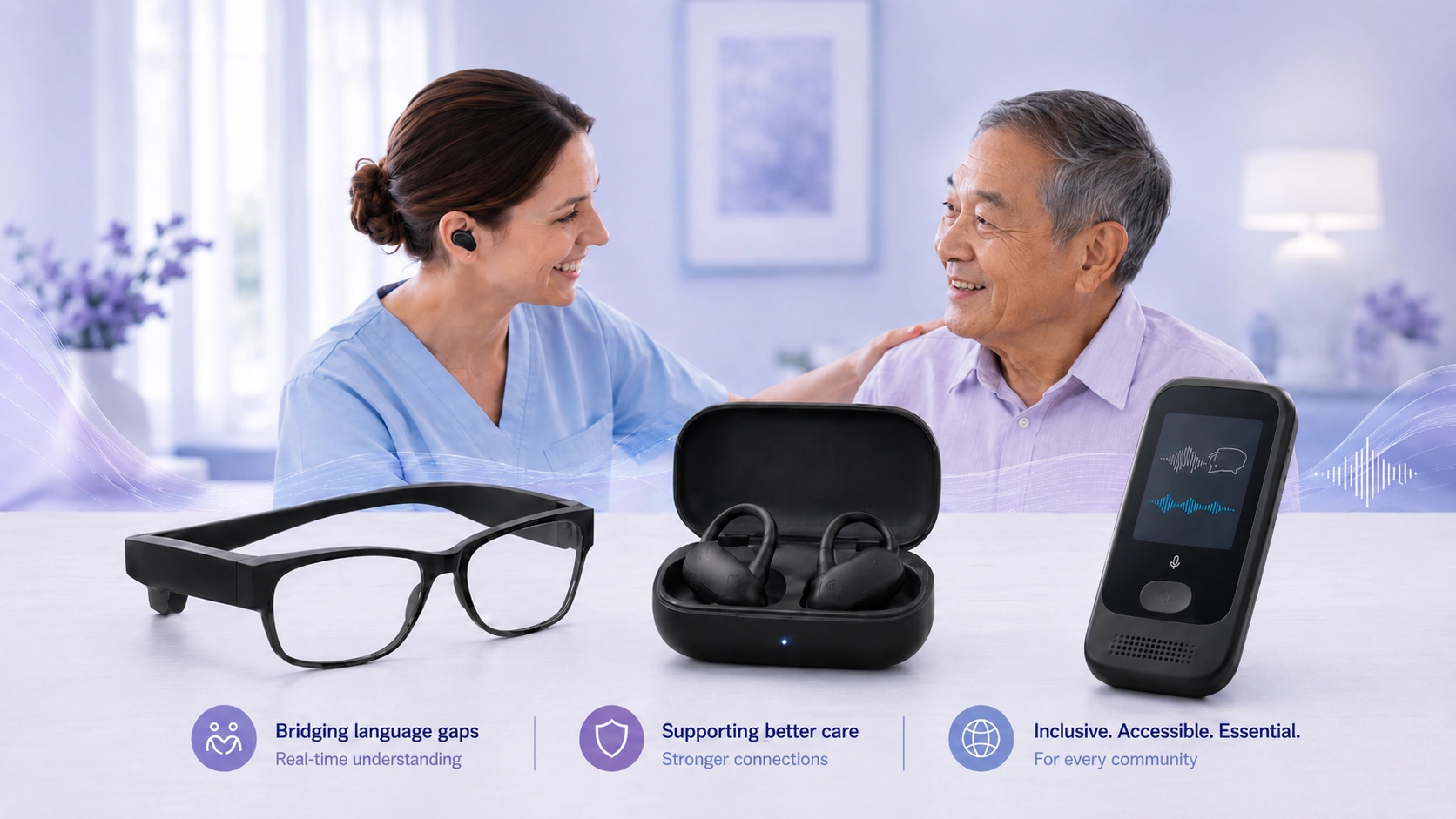
Artificial intelligence translation technology uses advanced speech recognition and language models to interpret spoken language and translate it into another language in real time. Unlike traditional translation tools, AI translation systems are designed to recognise natural speech patterns, accents and everyday language, allowing communication to flow more naturally. In aged care and health settings, this technology can support clearer day to day communication, reduce misunderstandings and assist staff to respond more effectively when language barriers are present, particularly during routine interactions where interpreters are not available.
For the pilot phase, The Listening Link will primarily use AI translation earbuds. Following further consultation with staff, a small number of alternative technologies will also be trialled to assess practical fit within everyday care workflows. These include handheld translation devices with online and offline capability, as well as translation glasses. No conversations, visual or audio recordings, or interaction data will be recorded during the pilot.

About the researcher
Hi, I am Zina Sciacca, Founder and Project Lead of The Listening Link.
I hold a Bachelor of Human Services and a Master of Social Work (Qualifying) from Queensland University of Technology.
My research interests are in aged care, palliative care, trauma-informed practice, culturally responsive care, communication equity, social isolation and the ethical use of technology in human service settings.
The Listening Link is an emerging research project exploring how AI-enabled translation technology can support communication, dignity, connection and quality of life in residential aged care.
The project is grounded in the view that technology should enhance human interaction, not replace it.
The project focuses on practical, low-risk communication support for everyday care moments, particularly for culturally and linguistically diverse residents who may experience language barriers due to dementia, stroke, cognitive decline or language regression.
The Listening Link is being conducted through Queensland University of Technology under academic supervision and in partnership with Anglicare Southern Queensland, with pilot activity planned for the second half of 2026.
The project has also been accepted for ARIIA project support, and I have been accepted into the BridgeTech 2026 cohort to strengthen the project’s research translation and implementation pathway.
I am interested in connecting with residential aged care providers who may be open to future pilot activity, implementation discussions or sector collaboration.
Human Research Ethics Approval number: 10933
Approval date: 15/05/2026
Expiry date: 15/05/2031
3 Minute Reads
Read our 3MT's
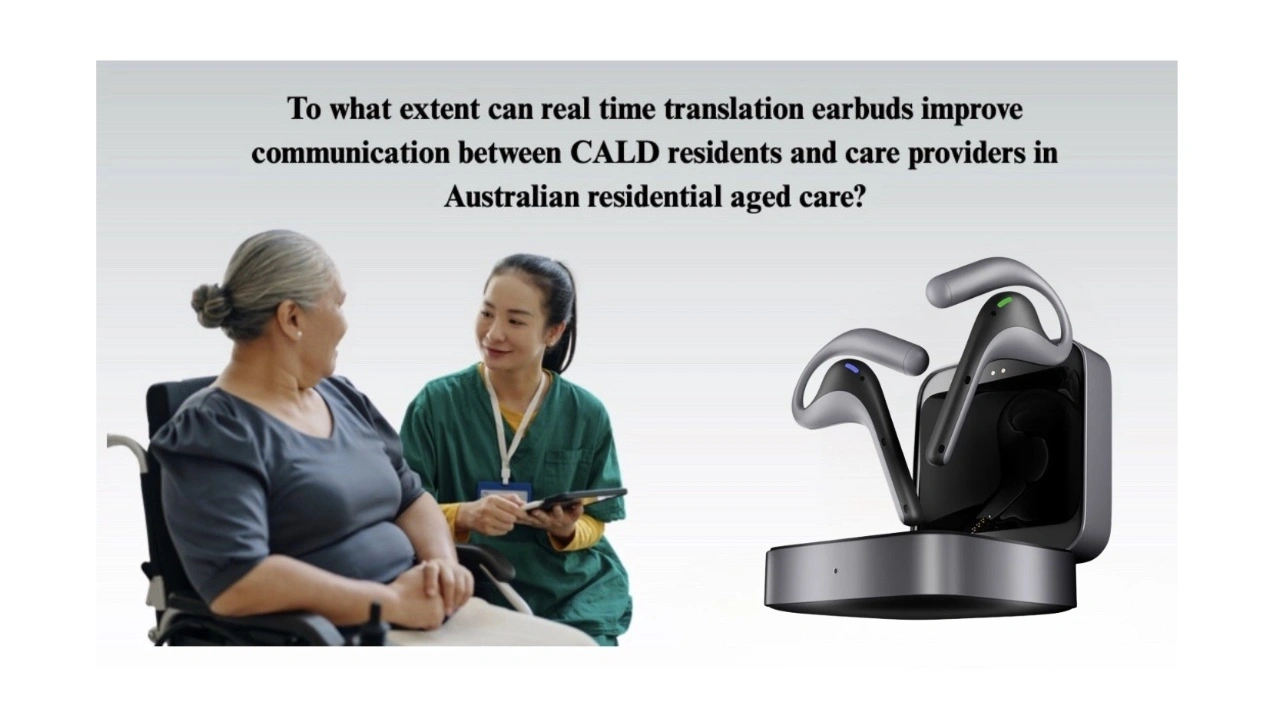
Care, Communication, and the Limits of Language
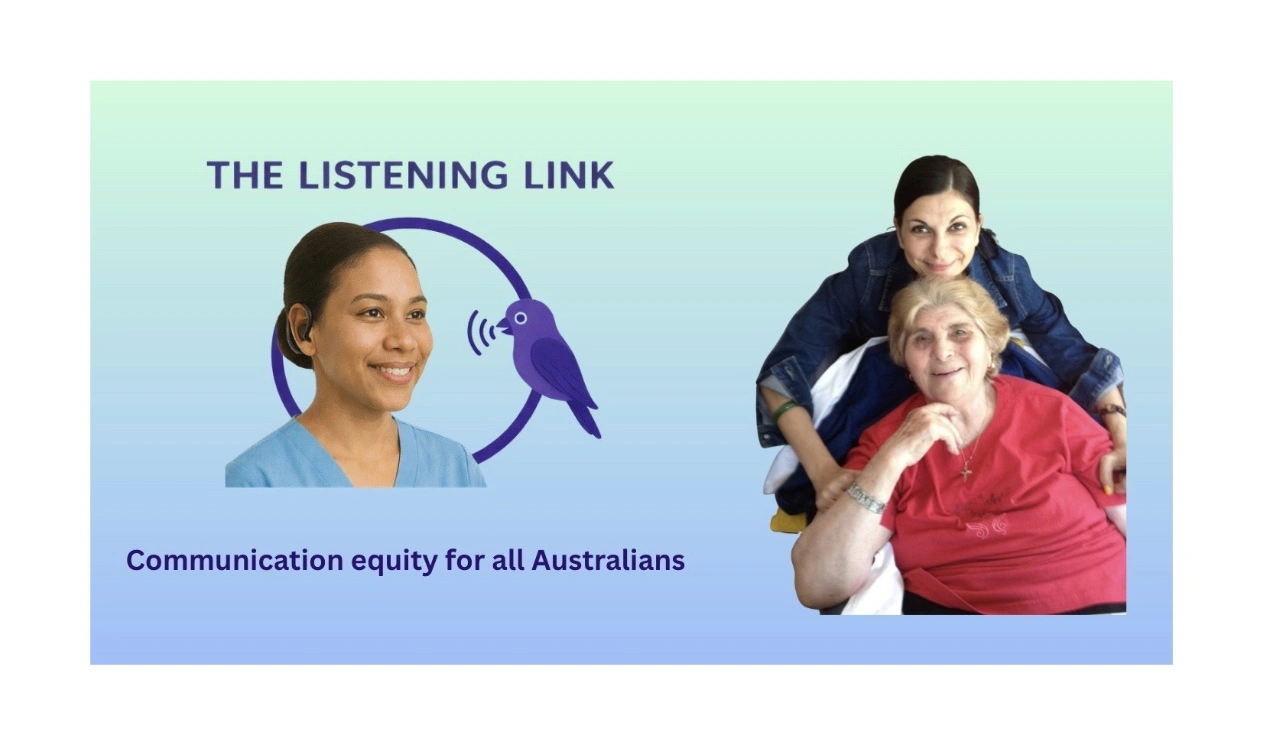
Communication Equity for all Australians
Frequently Asked Question
Translation technology is developing quickly, but we understand it may be unfamiliar. Below are answers to some common questions. If your question is not listed, please get in touch and we will be happy to help.
No. Your loved one will not wear the technology.
In The Listening Link, the translation technology is used by staff during everyday, low risk conversations. Residents do not need to wear anything, learn how to use a device, or manage any settings.
This approach recognises that dementia related confusion and cognitive impairment may make wearable technology difficult or distressing for some residents. Keeping the technology with staff helps make the resident experience as simple, familiar and unobtrusive as possible.
No. The Listening Link is designed to support everyday communication and complement existing interpreter services. Accredited interpreters are still used when required.
No identifiable conversations, visual recordings or audio recordings are recorded or stored as part of the pilot. Any feedback collected is de identified and focused on how the tool supports communication, not on what is said.
Yes. The pilot is overseen by Queensland University of Technology and follows strict research, ethics, and governance requirements. Safety and dignity are central to the design.
Yes. Staff involved in the pilot receive clear guidance and support so the technology is used simply, safely, and appropriately during routine care.
The technology is optional and flexible. If it is not helpful in a particular interaction, staff revert to usual communication practices.
Interested in partnering with us? Get in touch
If you would like to learn more or feel this project may be a good fit for your organisation, please share your details and a brief message below and we will be in touch or email the researcher directly:
My linkedin Blog
Weekly project updates shared on linkedin - follow me here: https://www.linkedin.com/in/zinasciacca/
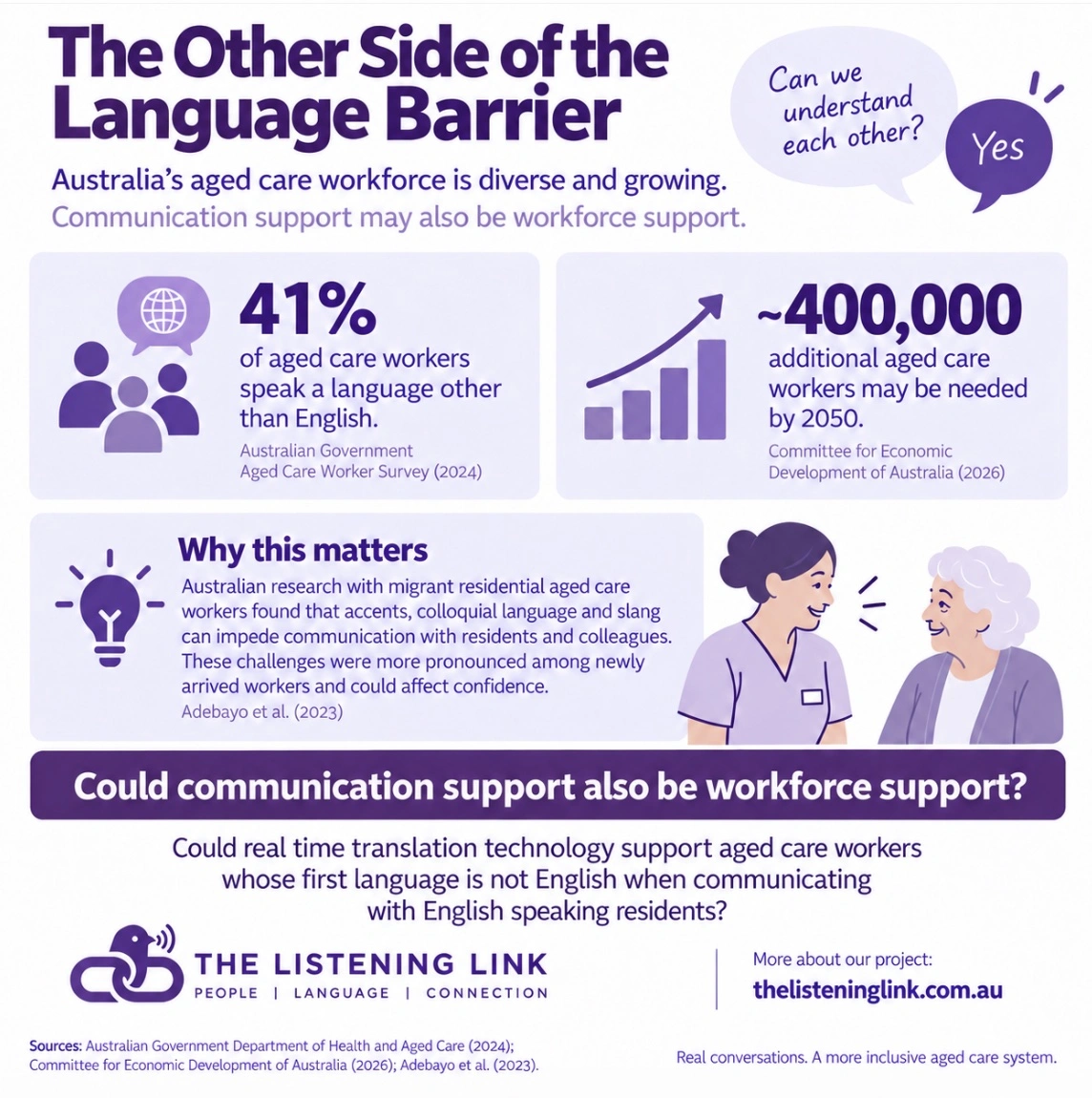
The Other Side of the Language Barrier
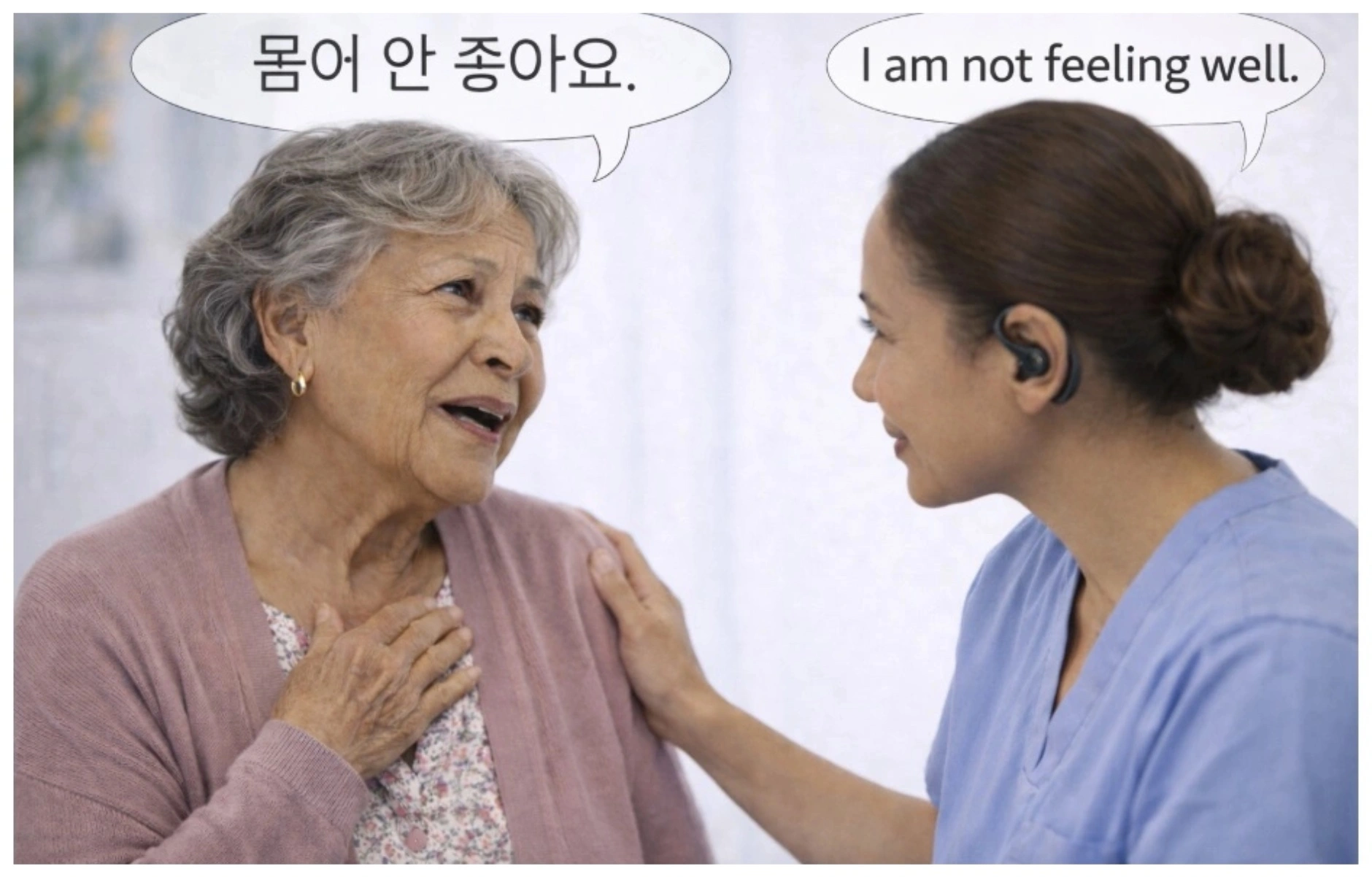
The Small Words That Shape Care
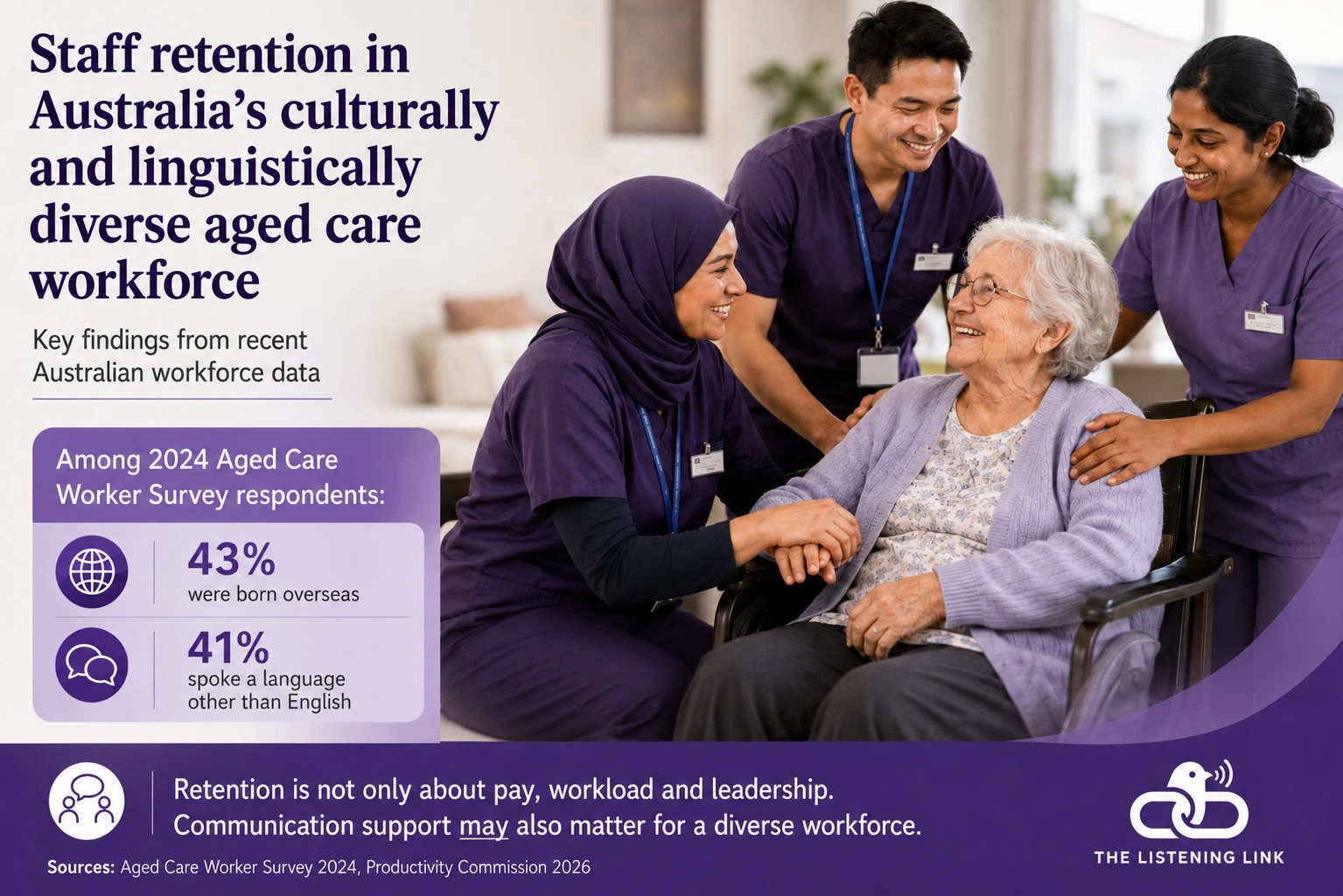
The magic of disciplines working together
References

Adler, R. H. (2009). Engel’s biopsychosocial model is still relevant today. Journal of Psychosomatic Research, 67(6), 607–611.
Aged Care Act 2024 (Cth).
Aged Care Quality and Safety Commission. (2024). Quality standards. Australian Government.
Aged Care Research and Industry Innovation Australia. (2023). Cultural awareness.
Australian Association of Social Workers. (2020). Code of ethics.
Australian Association of Social Workers. (2023). Practice standards.
Australian Association of Social Workers. (2025). Social policy and advocacy overview.
Australian Bureau of Statistics. (2022). Cultural diversity of Australia. ABS.
Australian Government. (2019). Actions to support older Culturally and Linguistically Diverse people: A guide for aged care providers.
Australian Government. (2024). Budget 2024–25: Health and Aged Care Portfolio Budget Statements.
Australian Government. (2025). Budget 2025–26: Broadening opportunity and increasing equality.
Australian Human Rights Commission. (2024). Statistics about cultural and racial diversity.
Black, B. (2009). Empowering and rights based approaches to working with older people. In J. Allan, L. Briskman, & B. Pease (Eds.), Critical social work: Theories and practices for a socially just world (2nd ed.). Routledge.
Boetto, H. (2025). Artificial intelligence in social work: An EPIC model for practice. Australian Social Work, 1–14.
Cabote, C., Salamonson, Y., Trajkovski, S., Maneze, D., & Montayre, J. (2023). The needs of older people with dementia from culturally and linguistically diverse backgrounds living in residential aged care: An integrative review. Journal of Clinical Nursing, 32(17–18), 5430–5444.
Dali, K., & Caidi, N. (2023). Social work education for the digital age: Insight from information science. Social Work Education, 42(5), 663–693.
Department of Health and Aged Care. (2019). Charter of aged care rights booklet.
Department of Health and Aged Care. (2024). TIS National in aged care: Guidance for aged care providers.
Dominelli, L., & Campling, J. (2002). Anti-oppressive social work theory and practice. Palgrave Macmillan.
Federation of Ethnic Communities Councils of Australia. (2024). A new model for regulating aged care: Submission to the Department of Health and Aged Care.
Foucault, M. (1980). Power/knowledge: Selected interviews and other writings, 1972–1977 (C. Gordon, Ed. & Trans.). Pantheon Books.
Huang, K., Joshi, A., Dun, S., & Hamilton, N. (2024). AI regulations. In K. Huang, Y. Wang, B. Goertzel, Y. Li, S. Wright, & J. Ponnapalli (Eds.), Generative AI security: Theories and practices (pp. 61–98). Springer.
National Ageing Research Institute. (2019). Submission: Aged care for CALD Australians.
Reamer, F. G. (2023). Artificial intelligence in social work: Emerging ethical issues. International Journal of Social Work Values and Ethics, 20(2), 52–71.
Royal Commission into Aged Care Quality and Safety. (2021). Final report: Care, dignity and respect (Vol. 1). Australian Government.
Thompson, N. (2020). Anti-discriminatory practice: Equality, diversity and social justice (7th ed.). Bloomsbury Publishing.
United Nations. (1948). Universal Declaration of Human Rights.
United Nations. (1991). United Nations principles for older persons.
World Health Organization. (2023). Reducing social isolation and loneliness among older people.
Yuan, S., Coghlan, S., Lederman, R., & Waycott, J. (2024). Language barriers in long term aged care homes: Design considerations for translation technology.